Posts

Film Marketing: The Lego Movie
Image
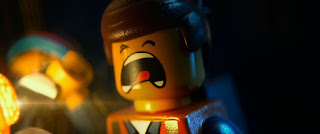
The Lego Movie (2014) is a 'tent-pole' film production by media conglomerates Warner Bros. This means that its success was of major importance to the studio in terms of funding other projects. The film was a major motion picture which is expected to generate major income for a studio, which can be redistributed and used to support and find other releases. The film is also an example of how a global studio, like Warner Bros, releases a film in a specific national territory, the UK. The marketing campaign for The Lego Movie was significantly important to Warner Bros because the film needed to generate a substantial profit. What are the key components of a marketing campaign of this kind? Film Posters   Film Trailer Looking at this marketing campaign, consider: Who is the target audience? Who is the film designed to appeal to and how do you know? How does Warner Bros target audiences through marketing? What assumptions do companies make...

Mr Smith's Movie Poster Lesson 1 Wednesday November 15th

Hello year 9! Now we've successfully completed the first drafts of our CD cover research and production we're going to move onto film posters! Over the coming weeks you'll be responsible for creating your own movie poster as well as discovering just what makes a great poster. In today's lesson you're going to recreate, step by step, a movie poster. I have included instructions for you to follow as well as all the images you need. Make sure you download BOTH the instructions and the JPEGs before starting INSTRUCTIONS JPEGS

CD Cover - Evaluation

Image
You need to answer the following questions in as much detail as possible.  How effective was your research into similar CD covers? (Did you take the research seriously enough? Did you look at a wide range of existing examples?) What did you learn from your research? In what ways did this shape the creation of your CD cover? (Think about images, colour palettes, fonts). What creative decisions did you have to make at the different stages of your CD cover creation? How did your CD cover change as your work progressed? (What worked and didn't work?) How closely does your CD cover follow the forms and conventions of existing CD covers?  Does it look real? (Why or why not?) What are its strengths and weaknesses?

Magazine - Research and Planning

Image
Research the following: Research the genre-conventions of the magazines within your chosen genre Examples of existing titles within the genre Analyse a cover, contents page and double page spread from an existing title within your genre Colour palettes-five examples of colour palettes you may use. Add examples from your genre. Fonts-five examples of the type of font you may use. Add examples from your genre. Moodboard-create two for the ideas that have inspired you. Audience research ( UK Tribes )-which tribe would buy your magazine? They are the tribe/ target audience you are aiming your magazine at. Use  SurveyMonkey  to create a Questionnaire aimed at your audience. Ask at least 5 people to answer it. Create audience profiles for a male and a female audience member. Analyse the media institution that will publish your magazine.

Magazine - Evaluation questions

Image
You need to answer the following questions in as much detail as possible. This is a very important part of this project . Add examples from your work. How effective was your research into similar magazines and relevant target audiences? What did you learn from your research into these two areas? In what ways did this shape the creation of your magazine? What creative decisions did you have to make at the different stages of your magazine production? How did your magazine change as your work progressed? How closely does your magazine follow the forms and conventions of existing magazines? Gives examples of real magazines you reference. How successful is your finished magazine? What are its strengths and weaknesses?

Draw a flat plan of your magazine cover

Image
Draw flat plans of your magazine cover.  Take photos of your flat plans and add to your research and planning. Begin to compose your front page. Try a variety of images and save each version of the cover as a jpeg.  By the end of the week you should have: drawn a flat plan of your cover added an image of it to your research and planning drawn a flat plan of your contents page added an image of it to your research and planning made a draft cover using Photoshop

Magazine Glossary

Image
Masthead – The name and logo of the magazine. The Lead – the introductory paragraph of an article. Usually written in bold or capitals. Body copy - refers to the text of your written articles, which should be produced as a printed presentation to accepted industry standards, e.g. correct use of language, font size, word limits etc. Usually written in columns. Serif font – fonts like Times New Roman, or Baskerville Old Face, which have little bars (serifs) on the end of the letters. Sans serif font – fonts like Impact, or Agency FB, which do not have little bars (serifs) on the end of the letters. Drop Capitals – Really big letter, which start off an article. Cross Head – Small sub-heading used to split up a large block of text. White Space – white parts of a page other than text or pictures. Mode Of Address – How the magazine talks to the audience. Sell Lines – Text on the cover that helps to sell the magazine to the audience. Kerrang!’s sell line is “life is loud”. Ba...